Professional Tips for Commercial Safe Unlocking Solutions

When you find yourself locked out of a commercial safe, it can feel like a crisis. You need access fast, but you also want to avoid damage and costly repairs. I’ve been there, and I know how frustrating it can be. That’s why I’m sharing professional tips for safe unlocking solutions that work. Whether you’re dealing with a forgotten combination, a malfunctioning lock, or a jammed mechanism, these insights will help you handle the situation confidently and efficiently.
Unlocking a commercial safe isn’t just about brute force or guesswork. It requires skill, patience, and the right approach. Let’s dive into the best practices that can save you time, money, and stress.
Understanding Safe Unlocking Solutions
Before you start fiddling with the lock, it’s important to understand the type of safe you’re dealing with. Commercial safes come in various designs - mechanical dial locks, electronic keypads, biometric systems, and more. Each type demands a different unlocking method.
Here’s what you should consider:
Lock Type: Mechanical locks often require manipulation techniques, while electronic locks might need a reset or override code.
Safe Model and Brand: Some safes have unique security features or emergency access options.
Condition of the Lock: Is the lock jammed, broken, or simply forgotten? This affects your approach.
Contents and Security Level: High-security safes need more careful handling to avoid damage.
Knowing these details helps you choose the right tools and techniques. For example, a mechanical dial lock might be opened by a professional locksmith using a stethoscope to listen to the tumblers, while an electronic safe might require a master code or a reset procedure.
If you’re unsure about the safe’s specifics, it’s best to consult a professional. Trying to force the lock can cause permanent damage and void warranties.

Effective Safe Unlocking Solutions for Businesses
When it comes to safe unlocking solutions, businesses need methods that are fast, reliable, and non-destructive. Here are some professional tips that can help:
Use Professional Tools
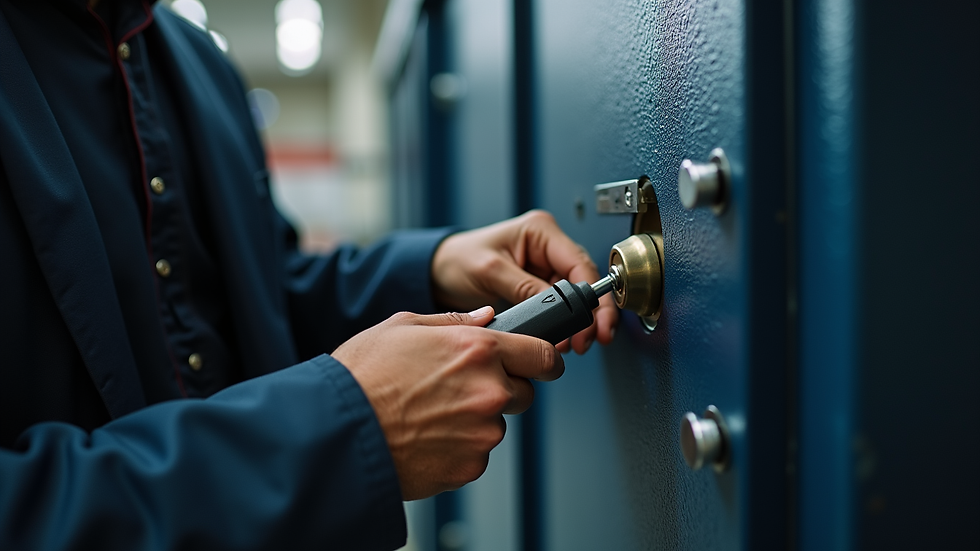
Professional locksmiths use specialized tools like lock manipulation devices, electronic lock decoders, and safe drilling equipment designed to minimize damage. Avoid using improvised tools that can ruin the lock or safe body.
Try Lock Manipulation First
For mechanical safes, lock manipulation is the preferred method. It involves carefully listening and feeling the lock’s internal mechanisms to determine the combination. This method is time-consuming but preserves the safe’s integrity.
Check for Override Codes or Keys
Some electronic safes come with override keys or master codes. If you have access to these, they can save a lot of time. Always keep these in a secure but accessible place.
Avoid Forced Entry
Drilling or cutting should be the last resort. Forced entry can damage the safe beyond repair and compromise security. Only trained professionals should perform these actions, and only when all other options are exhausted.
Document Everything
Keep a record of the safe’s serial number, lock type, and any unlocking attempts. This information is useful for locksmiths and for insurance purposes.
Regular Maintenance
Prevent lockouts by scheduling regular maintenance. Lubricate mechanical locks, update electronic lock batteries, and test access codes periodically.
By following these tips, you can ensure that your safe unlocking process is smooth and damage-free.

Is there a way to open a locked safe?
You might be wondering, “Is there a way to open a locked safe without the combination or key?” The answer is yes, but it depends on the safe’s design and your resources.
Here are some common methods:
Lock Manipulation: As mentioned, this technique involves listening to the lock’s internal movements to find the combination. It requires skill and patience but is non-destructive.
Using a Safe Locksmith: Professionals have the training and tools to open safes without damage. They can often open a safe quickly by decoding the lock or using specialized equipment.
Safe Drilling: If all else fails, drilling a small hole in a specific spot can allow access to the locking mechanism. This method damages the safe but can be repaired afterward.
Bypassing Electronic Locks: Some electronic safes have reset procedures or emergency override features. Check the manufacturer’s manual or contact support.
Using a Key Override: Some safes include a key override option. If you have the key, this is the easiest way to open the safe.
Attempting to open a safe without proper knowledge or tools can lead to permanent damage. If you’re unsure, it’s best to call a professional locksmith who specializes in safe unlocking.
Why Professional Help Matters in Safe Unlocking
You might think, “Can’t I just figure this out myself?” Sure, but here’s why professional help is often the best choice:
Expertise: Professionals understand the nuances of different safe models and locks. They know the right techniques to use.
Tools: Locksmiths have access to specialized tools that aren’t available to the general public.
Speed: What might take you hours or days can often be done in minutes by a pro.
Damage Prevention: Professionals minimize the risk of damaging your safe or its contents.
Security: You can be confident that your safe remains secure after unlocking.
If you’re in Trinidad and need urgent or routine locksmith services, relying on experts ensures you get the best results. For example, commercial safe unlocking requires precision and care that only trained locksmiths can provide.
Tips to Avoid Future Lockouts
Once you’ve successfully unlocked your safe, it’s smart to take steps to prevent future lockouts. Here are some practical tips:
Keep Backup Keys or Codes: Store them securely but accessibly.
Share Access Wisely: Limit the number of people who know the combination or have keys.
Update Combinations Regularly: Change codes periodically for security and to keep them fresh in your memory.
Label Safes Discreetly: Use subtle labels or notes to remind you of the lock type or last code change.
Schedule Regular Checkups: Have a locksmith inspect and maintain your safe annually.
Use Electronic Safes with Alerts: Some models notify you if there are multiple failed attempts.
By following these tips, you reduce the chances of being locked out again and keep your valuables safe.
Taking the Next Step with Safe Security
Unlocking a commercial safe can be tricky, but with the right knowledge and professional support, it’s manageable. Remember, the key is to act wisely and avoid damaging your safe. Whether you’re dealing with a forgotten combination or a malfunctioning lock, these tips will guide you through the process.
If you ever find yourself stuck, don’t hesitate to reach out to trusted locksmiths who specialize in safe unlocking. They have the skills and tools to get you back inside quickly and safely.
Your security is important. Treat your safe with care, maintain it regularly, and keep your access information secure. That way, you’ll avoid emergencies and keep your business running smoothly.
Unlocking a safe doesn’t have to be a headache. With the right approach, you can handle it like a pro. Keep these tips handy, and you’ll be prepared for whatever comes your way.

Comments